
Stag Hunting – the facts
Hind hunting: 1 November to 28 February
Autumn stag hunting: August to end of October
Spring stag hunting: beginning of March to the end of April.
There are THREE main stag hunts in the UK.
Click on the stag hunt to find who they are and what they did in the Spring 2023 season
Where they hunt
Stag hunting (which also includes hind hunting) takes place exclusively in Devon and Somerset.
Much of it happens in Exmoor National Park.
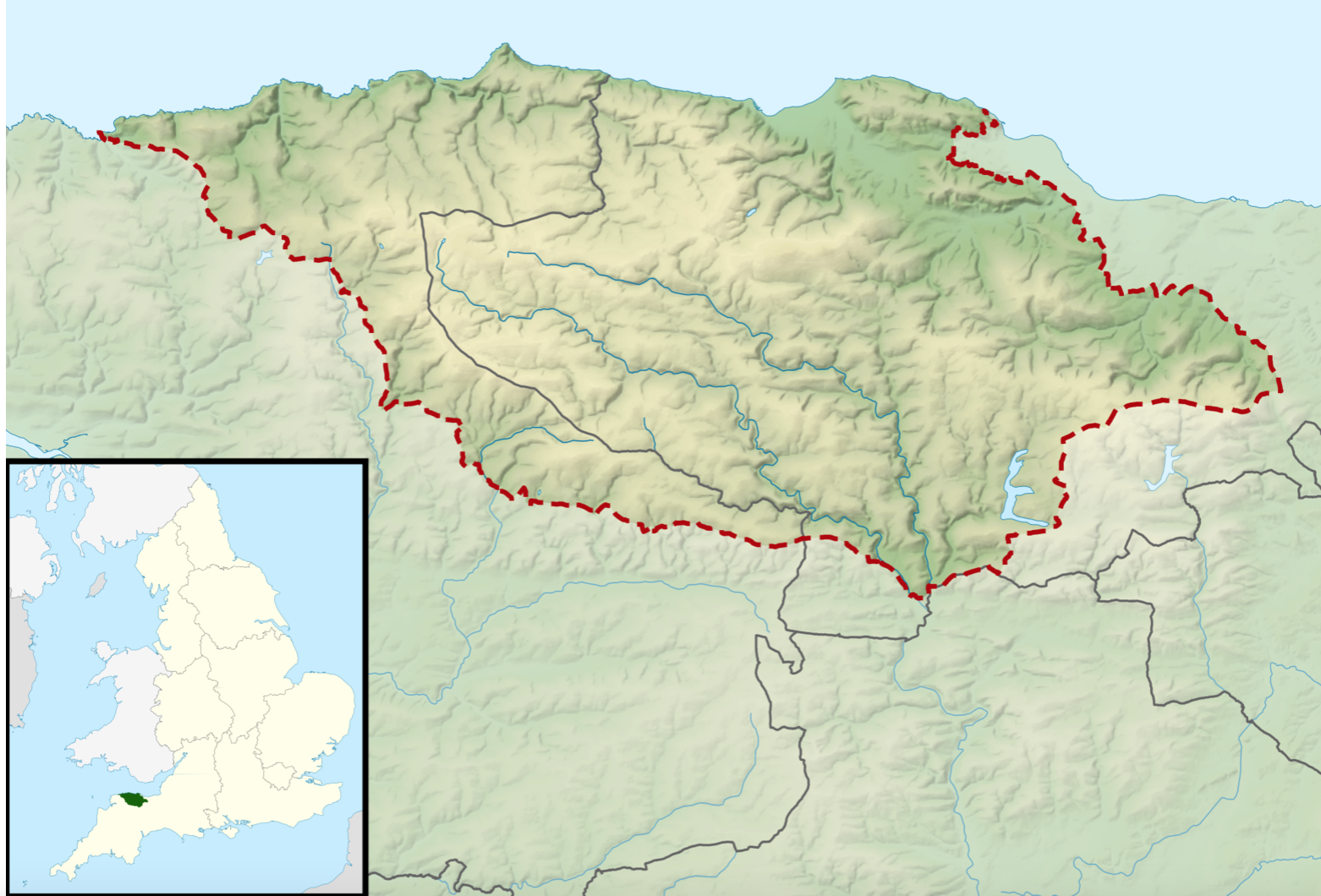
Stag hunting also happens on the Quantocks, in Somerset. This is an area of outstanding natural beauty.
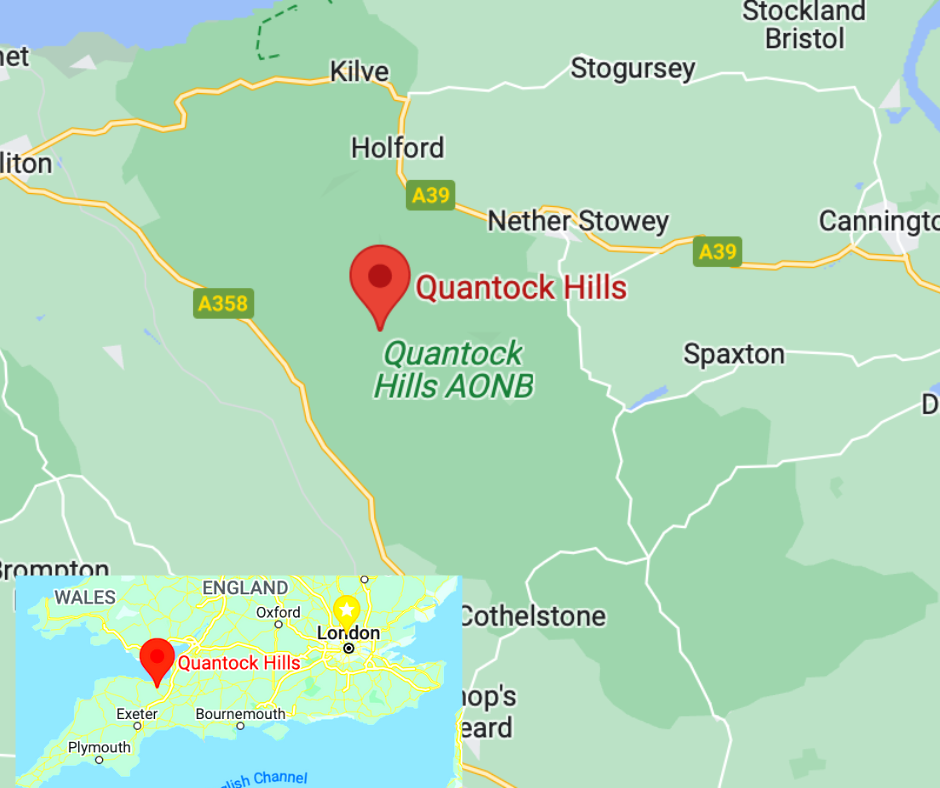
As for the individual hunts: the River Taw is TSH territory, the River Parrett is QSH territory and Exmoor National Park is DSSH territory.
the landowners
Why is it important to know who the landowners are?
Stag hunts pretend to be “exempt hunting” – and they usually use the excuse that they are hunting for “research and observation”. However, one of the stipulations for “research and observation” is that they MUST have the landowner’s permission. The minute they chase the stag on to land where they have no permission, they are breaking the law. To find out which landowners DO NOT PERMIT HUNTING AND HOW TO REPORT IT, click here.
Exmoor
Much of the stag hunting happens in Exmoor National Park
Exmoor, which is both in Somerset and Devon, is owned by a number of different organisations and individuals. National Trust, Forestry England, Badgworthy Land Company, Crown Estate, Wessex Water and South West Water all own land.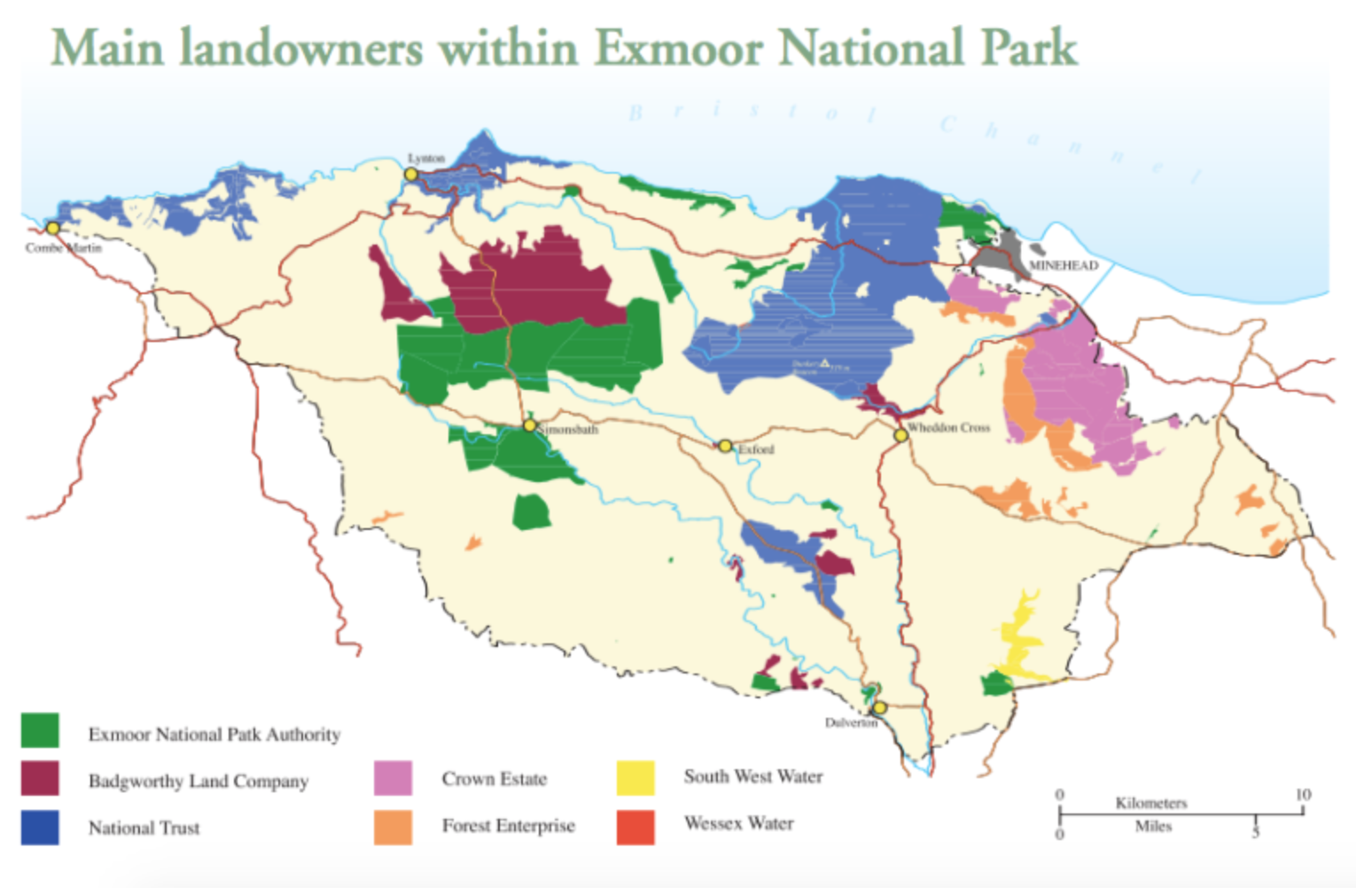
There are also thousands of much smaller landowners who live in owner-occupied properties in villages. Some allow hunting, some do not.
The National Trust, The Woodlands Trust, The League Against Cruel Sports, Wessex Water, South West Water and Forestry England are all landowners and none of them permits hunting.
Some of Exmoor is owned by Exmoor National Park Authority itself, but all of it (no matter who the actual owner is) is overseen by the Exmoor National Park Authority (EPNA).
ENPA claim that they do not allow hunting on their land.
https://www.exmoor-nationalpark.gov.uk/about-us/position-statements/hunting-on-exmoor-faqs
Quantocks
Stag hunting also happens on the Quantocks, in Somerset.
Somerset Wildlife Trust owns Holford Kelting and Aisholt Wood on the Quantock Hills. They don’t permit hunting, but they don’t enforce it.
The Forestry Commission own Great Wood, St Audries and Kings Cliff. Hunting is not permitted.
Lady Gass owns the Fairfield Estate, Stogursey, Somerset, on the Quantock Hills. She allows hunting and is the chair of the Friends of the Quantocks, who manage their piece of land “for the people of Somerset”.
Colonel Luttrell’s Estate at East Quantoxhead, allow hunting.

Anthony Trollope-Bellew was a big supporter of the Quantock Staghounds until he died last year. His estate covers the area around Crowcombe.

There are lots of small landowners that don’t allow hunting, like the Buddhist retreat at Alfoxton Park on the Quantocks.
What happens on a stag hunt
The stag is pre-selected by a person called a harbourer. This can take place up to a week before the hunt. The meet, (where those who are taking part in the hunt meet up before the hunt starts), may be a very quick affair or a long drawn out session with drinks and nibbles. Hounds are then taken to find the harboured stag.
Once the stag is separated from the others, he is chased to exhaustion by both hounds and by hunt followers. The hunt usually continues for several hours.
The hunt followers’ job is to watch (sometimes from high points) where the stag runs and point him out to the hunt, so they don’t lose him. They also clap and shout at the stag to force him to go in a particular direction – wherever the hunt wants him to go.
In most cases, two hounds are used and swapped regularly. At least one vehicle follows the hunt with spare hounds in it. Certainly though more than two hounds have been filmed hunting stags in breach of all exemptions. Hounds hunt by scent with noses to the ground but may course (i.e hunt by sight) when they are very close to their prey. There are many reports of deer, especially hinds being pulled down by the hounds, even being eaten alive by them.
When the stag can run no longer, he stops. Sometimes he defends himself with his antlers, injuring hounds. When he is stationary, he is shot.
In all cases both stags and hinds are butchered post mortem. The throat is slit to bleed the carcass out The slots, (hooves), teeth, head and other body parts are given out as trophies. The organs given out for followers to eat and the venison also given to whoever to sell, eat. The intestines, any unborn fetus and other parts humans do not eat are the reward of the hounds. Post “ban” the difference is that the carve up will happen somewhere out of the public eye rather than where the deer was shot.
Overview and History
Overview
Both stags and hinds (females) are hunted. There are two seasons: Spring and Autumn. Autumn is from August to the end of October. Spring is from the beginning of March to the end of April. Stags are hunted for all of this time, but hinds are included from November to February, even if they might be pregnant. Hinds are also killed outside this period by hunts. The hunts justify their actions by saying that they are “managing” the herd – dealing with an injured animal, maybe. Other organisations (Richmond Park, for instance and Baronsdown Wildlife Sanctuary) also “manage” their herds, but their methods are humane and do not involve chasing an animal with dogs. Wildlife hospitals, vets, police firearms units, farmers etc will put a suffering deer out of their misery without hunting being involved. Hunts also claim to be “hunting within the law”.
There are three stag hound packs registered with the British Hound Sports Association; the Devon and Somerset, the Tiverton and the Quantocks. Between them, they hunt five days a week from the beginning of August until the end of April. Some of those days will include two hunts being out at the same time.
There are two buck hound packs which are not registered: the Exe Valley and the Cheldon (whose members nearly killed a sab’ in 2016). These two hunts go on until the end of May.
All deer hunt packs are within Devon and Somerset, but deer coursing (hounds hunting by sight) and other crimes involving hunting with dogs, are commonplace nationwide often at night.
Stag hunting attracts people from all over Europe when other packs have finished for the season (albeit far less so nowadays) but there are still big crowds both mounted and on foot at meets especially in April.
Hunt People
Hunt Staff
The staff who are responsible for the hounds in the kennels and in the field and live in at the kennels are:
The Huntsman who is in charge of the kennels
Whipper in plus one or more who assist him
Kennel man who helps with preparing hound food, the flesh round, skinning, mucking out etc
Stud groom one or more who is in charge of the stables and the horses used by the hunt servants on a hunting day.
Harbourers who identify which stag will be hunted and several people carrying guns to dispatch the stag on a hunting day some of whom will be mounted.
There is a number of other officials and committees. Joint masters who are “in charge” of the hunt and make appointments for staff liase with landowners etc. Secretary who deals with finances and administration. The committee who make decisions regarding the hunt. The Hunt Suporters’ club who fundraise and assist the hunt run by another committee. The Pony Club to encourage the children to be future hunt supporters. Various committees especially for big fundraising events such as the Point to Point and the hunt ball.
Glossary
Glossary – (from eighth Duke of Beaufort 1894).
At bay- when a stag is exhausted and turns to defend himself against the pack.
Beam- the stem of an antler,
Blanched- when a stag is headed, apparently a very old term.
Crockets-top points of a stag’s antlers, very old term.
Feument, or feumishing, dung of deer.
Harbourer– a person who finds and chooses which stag will be hunted.
Hind- female deer.
Mort- a note on the horn blown at the death of the deer.
Pearls– the rough circular base of a stag’s horns.
Prickett-male red deer up to 3 years of age.
Runnable/warrantable– a deer fit to be hunted. Interestingly this written in 1894 says that “in the case of the stag this is at five years” 8th Duke of Beaufort. At the time of writing they are hunting stags that are much younger!
Slot/s-Deer prints, also hooves given as trophies.
Staggart-stag of 4 years old.
Tine-the point or branch on a stag’s antler.
Tufters– experienced hounds used to separate the stag from the herd and get him running before the rest of the pack is laid on, pre Hunting Act.
History
A significant impact on hunting in England was the Norman conquest of 1066. According to Patrick Chalmers (The History of Hunting, 1936) “the natives of Northern Europe were… strongly attached to field sports”. William the Conqueror rewarded his warlords with land on which the Saxons had depended upon for sustenance – land which was then used for hunting. Hence the increase in feudalism happened at the same time as hunting as a recreation began.
The Norman love of the chase meant that royal forests sprang up all over the country. New draconian forest laws gave precedence to quarry species over and above the peasants. Anyone, no matter how emaciated, could face losing their eyes if caught killing a deer. Others suffered worse. For instance, a man named Gurth found a dead boar whilst collecting firewood. As he and the rest of the village of Hillgay were short of food, he took the forequarters of the boar home to share with others. For this most heinous of crimes, he was burnt to death and all who had partaken of the meat were flogged to death as well, (Chalmers 1951).
The forest laws meant that thousands of people were short of food. As Chalmers pointed out, any person cruelly mutilated by the Normans was unlikely to rebel. Then, under the reign of King John, “the gibbets creaked with the weight of deer-stealers and a poacher’s children were at Bealieu in Hampshire given their father’s thumbs to play with by the public amputator.”
Astonishingly, advice given to the general public at the time by John of Salisbury states: “If one of those great and merciless hunters shall pass by your habitation, bring forth hastily all the refreshment you have in your house, or that you can readily buy or borrow from your neighbours; that you may not be involved in ruin or even accused of treason”. Even more astonishingly, Chalmers then comments (1951) “And this last practice is in vogue to this day as all in muddy pink or splashed habit know who have demanded at a hospitable door a cup of tea and a pail of gruel at 5 p.m. of a mild winter evening”.
After the English Civil war, many of the old stag hunts evolved into fox hunts as deer became scarce. Others hunted carted stags. In more recent times deer hunting was confined to the West Country and the New Forest. In 1997 the New Forest Buck Hounds were closed by the hard work and dedication of anti-hunting activists.
Carted stag hunting was banned in 1922 in England, Wales and Scotland. Eric Morrison (1954) describes the end of a carted stag hunt where the stag is hunted to exhaustion into a pond where the hounds held him at bay. He tells us that “little or no harm comes to the stag, who often chooses this way of ending a hunt. When taken, he is put into a convenient farm building until the deer cart comes along.” Then the stag will be taken back and held in captivity until the next hunt. The fear and terror such stags suffered at being kept in captivity and repeatedly hunted, having their antlers removed etc, must have been horrific. We have heard reports of carted stag hunting in Ireland as recently as the 2020/21 season.
Richard Hall, once a harbourer for the Quantock stag hounds, who “rode to hounds up to five days a week” suddenly became an anti when he realised what he was doing. He wrote to the Times 5th November 1969.
”After the brief summer recess, in late July, stags are again hunted. They are out of condition and unable to run the distance riders on horseback would prefer. The Master of Hounds, the Huntsman and the Whips are supplied with second and sometimes a third fresh horse during the chase. These horses are corn fed and in “blooming condition”, whereas the stag is quite wild and lives on what green and other roughage it can glean, amounting to little more than a subsistence ration. It is a pitiful sight to see a stag slowly running and too tired to put on speed towards the end as the hounds get closer and closer. The stag’s leg joints will have seized with stiffness, and as it tries to jump a wall or fence to escape what is coming to it, it cannot find the power to leap and falls, often causing severe body damage. In this distressed condition a stag will have crashed through thicket and thorn and bashing into other things as it flees. When an autumn stag is killed it will have torn and bleeding velvet hanging from its antlers which tells the agony to which it has been subjected. Even when so exhausted a stag will attempt to stand at bay. It is then that the Huntsman will try and shoot it. I have seen many a shot fired wide of the mark. On one occasion a stag’s right eye was shot out and it hung down its face; it turned away and trotted down the stream crying as it went. The pack of hounds were uncontrollable and got past the hunt servants and bowled over the stag ravaging it all the time until whipped off a second shot killed it …..Hinds have no antlers with which to protect themselves. It is not unusual for the pack of hounds to pull down and savage a hind before riders can do anything about it……In late February a hind will be carrying a small perfectly formed live calf. After chasing a pregnant hind all day, until it can no longer run any further, it ultimately gets killed. It is then cut open and the entrails are taken out together with the live calf still concealed in the uterus and now covered with the intestines. This sorry heap is fed to the hounds”.
Stags who escaped a king or a queen were lucky. The 8th Duke of Beaufort tells us that the harbourer would look after any stag that escaped a King or Queen, “the heaviest penalties were inflicted upon persons who killed or in any way injured a stag who had made good his escape after being hunted by the king or queen.” He also advocated that “stag hunting should be discontinued before the rutting season commences; and that, to avoid the commission of unsportsmanlike conduct, the season for hunting stags should not be carried beyond the first week of October”. Hinds should not be hunted until 3 to 4 weeks later, he advised, not that his views had any sway over stag hunts who have switched from stags to hinds within a day or two.
Pre “ban” stag hunting differed from fox hunting in that experienced hounds called tufters (although tufters are mentioned in hunting foxes many centuries ago) were used to make the selected stag run and separate him from other deer. Once the chase was established, the rest of the pack was laid on and would hunt the deer until he is brought to bay ,i.e is utterly exhausted and faces the hounds. Stags will very often run to water. The deer would then be shot, if the hounds did not get to him first. There are many old accounts of the deer’s throat being slit. At the Devon and Somerset stag hounds opening meet in August 1879 at Hawcombe Head, the then Prince of Wales attended and was invited to slit the stag’s throat near Bagdworthy Water. He did so, was awarded the head and a haunch of venison was sent to his mother Queen Victoria. 15,000 people attended that hunt.
The Law
Like all other hunting with dogs, stag hunts should be obeying the Hunting Act 2004.
However, rather than fulfilling its stated aim “to prevent or reduce unnecessary suffering to wild mammals” and that “causing suffering to animal for sport is unethical and should, so far as practicable and proportionate, be stopped”, it actually provided the means for some hunting to continue without question. Stag hunts chase and kill stags in exactly the same way as they did before the ban. The only concession they have made to the Hunting Act is to use two dogs, rather than a pack, at one time. However, they do use multiple dogs throughout a hunt.
Everyone (including the police) appears to believe that stag hunts are operating within the law. We don’t – and we think that their activites should be legally challenged. We aim to do this shortly, but we need to raise some money first to pay for the legal advice. Our CrowdFunder is coming shortly.